Smarter Procurement: How ERP Transforms Purchasing and Supply Chains
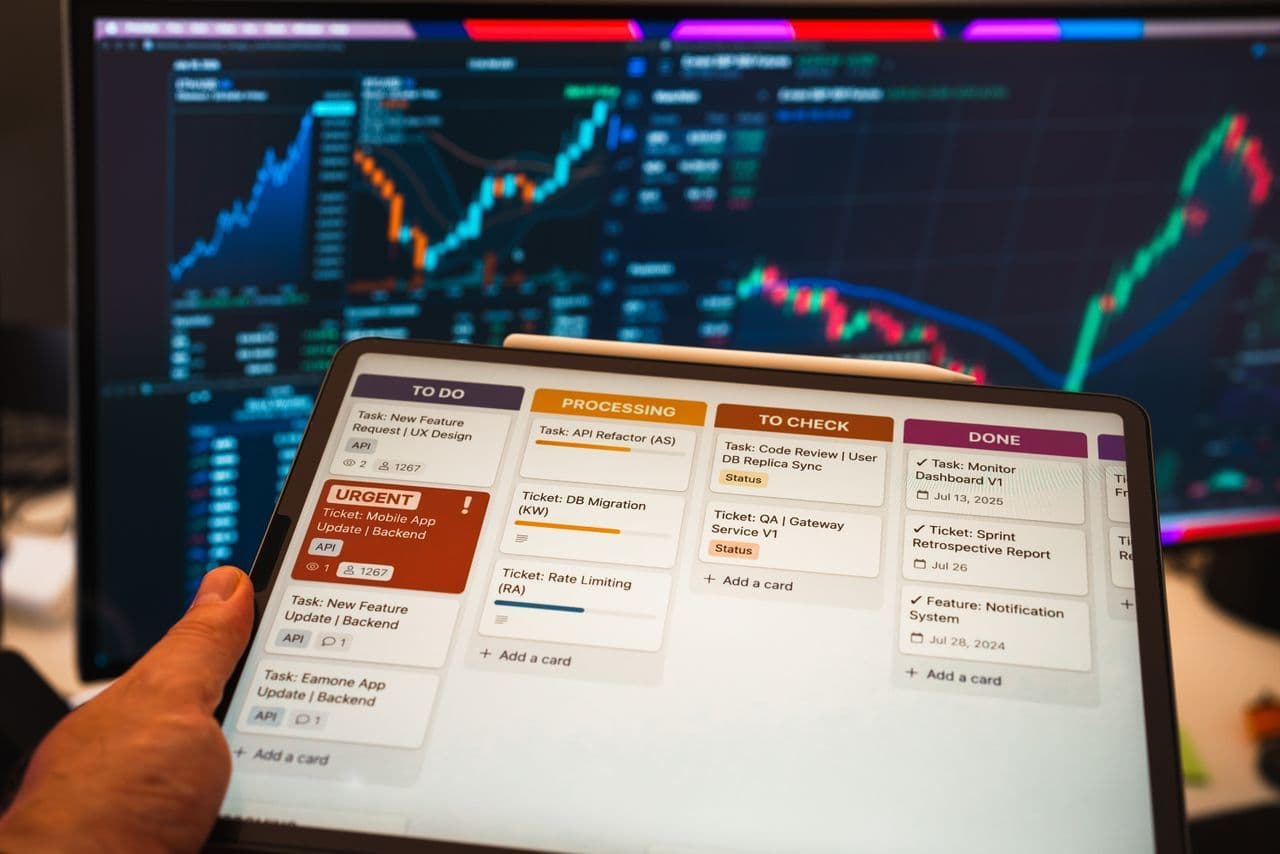
Procurement is one of the most important operational functions in any organization.
Businesses depend on suppliers for raw materials, products, equipment, services, and other resources required to operate.
Yet purchasing can quickly become complicated when quotations, suppliers, approvals, purchase orders, inventory, invoices, and deliveries are managed through disconnected processes.
A modern ERP system brings these activities together, creating a more structured and visible procurement process.
Procurement Is More Than Purchasing
Purchasing is often viewed as simply buying something from a supplier.
In reality, procurement involves a complete process:
Requirement → Quotation → Supplier Evaluation → Approval → Purchase Order → Delivery → Inventory → Invoice → Payment
Every stage can affect cost, inventory availability, cash flow, and operational continuity.
ERP connects these stages so organizations can manage procurement as an integrated business process.
Managing Supplier Quotations
Businesses often need to compare multiple suppliers before making a purchasing decision.
ERP can help teams create, send, receive, and manage supplier quotations within a centralized environment.
Expected delivery
Instead of searching through emails and documents, procurement teams can work from a centralized purchasing workflow.
Managing Tenders and Supplier Comparisons
For larger purchases, organizations may need to conduct tenders or compare multiple supplier proposals.
An ERP environment can help organize supplier information and purchasing options, making it easier to compare proposals against defined requirements.
This improves transparency and provides a clearer record of the purchasing decision.
From Purchase Order to Delivery
Once a supplier is selected, the procurement process continues.
Future orders
This creates visibility across the purchasing lifecycle.
Procurement teams can see what has been ordered, what has arrived, and what is still outstanding.
Procurement and Inventory Must Be Connected
Purchasing decisions directly affect inventory.
If inventory is too low, operations can be disrupted.
If inventory is too high, valuable working capital may be tied up in stock.
ERP connects purchasing with inventory management, allowing organizations to make procurement decisions based on actual stock information and defined ordering rules.
Product and Supplier Management
Procurement teams need accurate information about the products they purchase.
Units of measure
This provides greater consistency across purchasing and inventory operations.
Planning Future Purchases
Procurement should not always be reactive.
Organizations need to anticipate future requirements.
Future requirements
This can help businesses move from emergency purchasing toward planned procurement.
Procurement and Cash Flow
Every purchase has a financial impact.
A purchase order creates a future financial obligation.
A supplier invoice creates an account payable.
A payment affects cash.
Purchase → Inventory → Invoice → Accounts Payable → Cash
This allows finance and procurement teams to work from connected information.
Procurement Reporting
Management needs visibility into purchasing performance.
What future purchasing requirements should we prepare for?
With centralized data, reports can be generated without manually consolidating information from multiple sources.
Automation in Procurement
Automation can reduce repetitive procurement activities.
For example:
Inventory Level Falls → Ordering Rule Triggered → Purchase Requirement → Approval → Supplier Order
Other workflows can automate notifications, approvals, document processing, and supplier communications.
AI can further enhance procurement by assisting with document extraction, supplier analysis, demand forecasting, and identifying unusual purchasing patterns.
Procurement as a Strategic Function
Modern procurement is not simply about finding the lowest price.
It is about managing cost, quality, supplier relationships, availability, risk, and working capital.
An integrated ERP system gives procurement teams the information required to make better decisions.
organizations can begin asking:
"What should we buy, when should we buy it, from whom, at what cost, and how will it affect the rest of the business?"
Conclusion
Procurement sits at the intersection of suppliers, inventory, operations, and finance.
When these functions operate separately, purchasing becomes difficult to control and difficult to forecast.
ERP connects them.
By centralizing supplier management, quotations, purchase orders, inventory information, invoices, and reporting, businesses can create a procurement process that is more transparent, efficient, and responsive.
The result is not simply better purchasing.
It is a better-connected supply chain.